
Understanding Real Estate 3D Rendering Services
Real estate 3D rendering services involve the creation of photorealistic images and animations of properties using advanced computer graphics technologies. These services allow real estate developers, agents, and architects to visualize and present designs before they are built, enhancing marketing strategies and customer engagement.
The Importance of Real Estate 3D Rendering
In today’s competitive market, visual representation is crucial. Traditional methods of showcasing properties, such as blueprints or photographs, often fail to convey the full potential of a design. 3D rendering services fill this gap by providing detailed visualizations that can:
- Help clients understand spatial relationships and design features.
- Enhance marketing materials, making listings more attractive.
- Provide a valuable tool for securing investments by illustrating unbuilt projects.
Enhancing Client Engagement
3D renderings enable potential buyers to immerse themselves in a property’s design. By allowing clients to visualize the final product, developers can enhance engagement and decision-making processes.
Na prática: a Render Fabrik é uma empresa de renderização 3D com entrega para todo o Brasil — orçamento em até 24 horas.
Key Components of 3D Rendering Services
Several essential elements contribute to effective real estate 3D rendering services:
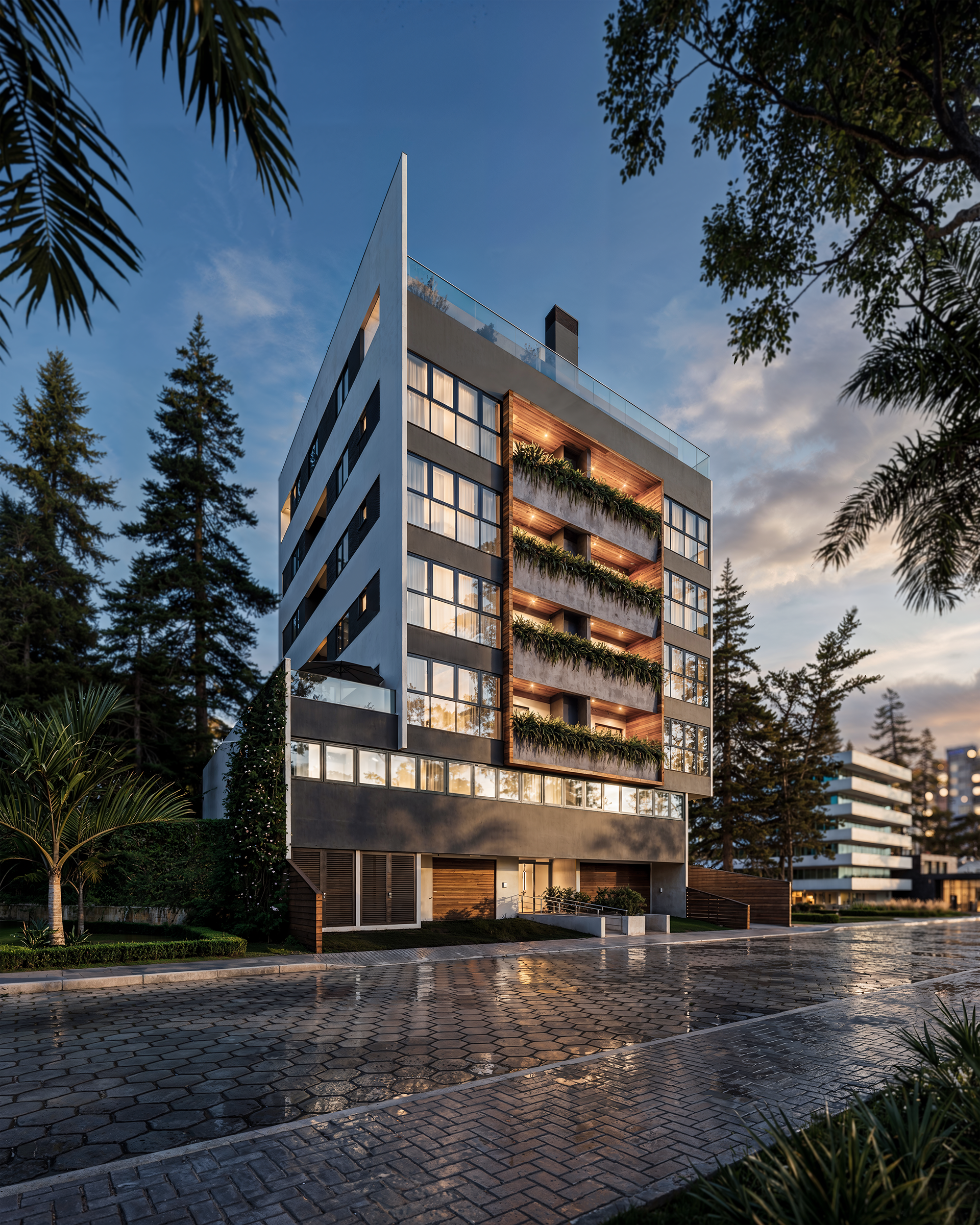
- Modeling: The process begins with creating a 3D model of the property, incorporating architectural details and landscape elements.
- Texturing: Textures are applied to the model to simulate real-world materials, such as brick, wood, and glass.
- Lighting: Proper lighting is crucial for creating realistic visuals. Different lighting scenarios can be explored to show the property in various ambiances.
- Rendering: The final step involves rendering the scene, producing high-quality images or animations that can be used for presentations or marketing.
Real-World Applications
Real estate 3D rendering services have numerous applications across the industry:
- Marketing Campaigns: Listings featuring high-quality 3D renderings attract more attention, leading to quicker sales.
- Virtual Tours: Interactive 3D models allow potential buyers to explore properties remotely, enhancing the buying experience.
- Investor Presentations: Builders can use 3D visuals to communicate their vision to investors, increasing the likelihood of securing funding.
- Interior Design: Interior designers utilize 3D renderings to showcase proposed layouts and designs, helping clients visualize the end result.
Choosing the Right 3D Rendering Service Provider
When selecting a provider for real estate 3D rendering services, consider the following factors:
- Portfolio: Review the provider’s previous works to gauge their style and quality.
- Technology: Ensure they use the latest software and technology for the best results.
- Customer Reviews: Look for testimonials or case studies from previous clients to assess their reliability and service quality.
- Turnaround Time: Discuss deadlines to ensure they can meet your project timeline.
Common Questions About Real Estate 3D Rendering Services
Here are some frequently asked questions regarding real estate 3D rendering services:
- What is the cost of 3D rendering services? Prices vary based on the complexity of the project, the level of detail required, and the provider's experience.
- How long does it take to create a 3D rendering? Typically, the process can take anywhere from a few days to several weeks, depending on project scope.
- Can I make changes after the initial rendering? Most providers allow for revisions, but it’s essential to discuss this before starting the project.
Applications in Daily Business
Implementing real estate 3D rendering services can transform how businesses operate:

- Sales Tools: Use high-quality renderings in presentations to impress clients and facilitate sales.
- Collaboration: Share 3D models with architects, designers, and stakeholders for collaborative input and feedback.
- Social Media Marketing: Post engaging 3D visuals on social media platforms to increase reach and engagement.
Conclusion: The Future of Real Estate Marketing
Real estate 3D rendering services are not just a trend; they are a powerful tool that can significantly enhance how properties are marketed and sold. By embracing these services, real estate professionals can provide a more immersive experience for potential buyers, ultimately leading to better sales outcomes. Consider integrating real estate 3D rendering into your business strategy to stay ahead in the competitive market.
Related Concepts
To further understand the context of real estate 3D rendering services, it's helpful to explore related concepts:
- Virtual Reality (VR): An immersive technology that allows users to experience a property in a fully interactive environment.
- Augmented Reality (AR): Technology that overlays digital information onto the real world, enhancing property viewings.
- Architectural Visualization: A broader term encompassing 3D rendering, focusing on visualizing architectural designs.
As you consider real estate 3D rendering services for your projects, reflect on how these tools can enhance your marketing strategies and client interactions. By investing in high-quality visualizations, you can significantly improve your chances of success in the real estate market.