
Understanding 3D Rendering Services Studio
A 3D rendering services studio is a specialized company that provides high-quality visual representations of three-dimensional models. These services are essential in various industries, including architecture, video games, film, and product design, allowing clients to visualize their concepts before any physical production occurs.
With the advancement of technology, 3D rendering has evolved significantly, incorporating realistic textures, lighting effects, and dynamic animations. This glossary aims to provide an in-depth understanding of 3D rendering services, their applications, and how they can benefit different sectors.
The Importance of 3D Rendering Services
3D rendering services play a crucial role in the design and visualization process. Here are some key points that highlight their importance:
Na prática: a Render Fabrik é uma empresa de renderização 3D com entrega para todo o Brasil — orçamento em até 24 horas.
- Visualization: They help in visualizing ideas and concepts that are still in development, making it easier for clients to understand the final product.
- Marketing: High-quality 3D renderings can be used in marketing materials, providing a competitive edge in promotional campaigns.
- Cost-Effective: By visualizing a product before production, businesses can save costs associated with physical prototypes and revisions.
- Client Engagement: Engaging clients through interactive 3D models can enhance the communication process, leading to better project outcomes.
Key Components of 3D Rendering Services
Understanding the components involved in a 3D rendering services studio can provide insights into how these services are delivered. Here are some fundamental aspects:
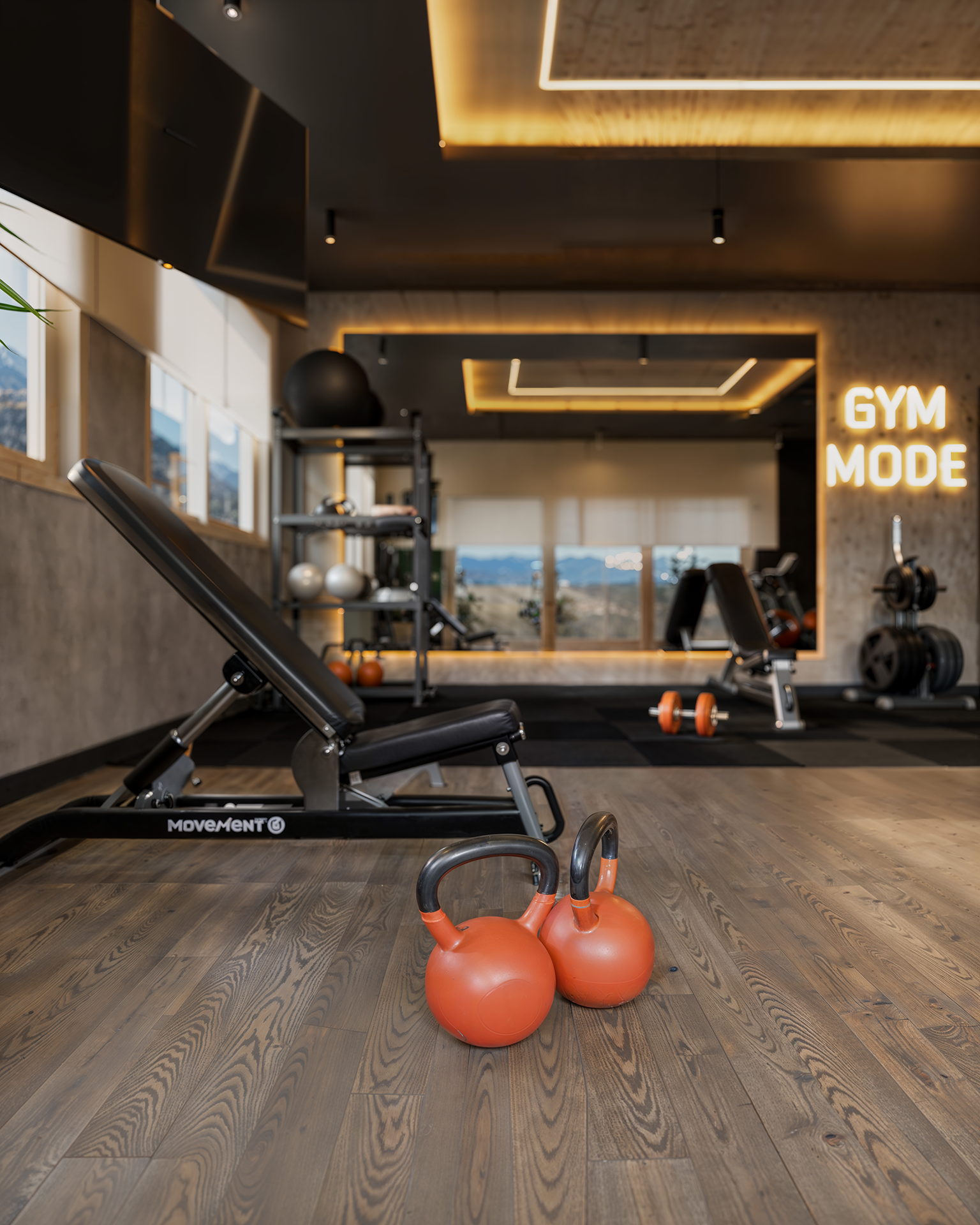
- Modeling: The creation of a 3D model, which serves as the basis for the rendering process. This includes defining the shape, dimensions, and features of the object.
- Texturing: Applying surface textures to the 3D model, which adds realism by mimicking materials like wood, metal, or fabric.
- Lighting: Setting up virtual lights to create the desired ambiance and highlight specific features of the model, influencing how shadows and highlights appear.
- Rendering: The final process where the 3D model is processed into a 2D image or animation. This is where all components come together to produce the final output.
Applications of 3D Rendering Services
3D rendering services are versatile and applicable across various industries. Here are some prominent examples:
- Architecture: Architects use 3D rendering to create realistic visualizations of buildings and landscapes before construction, aiding in client presentations and design modifications.
- Product Design: Designers can visualize and test product designs using 3D renderings, facilitating feedback and adjustments before manufacturing.
- Gaming: In the gaming industry, 3D rendering is vital for creating immersive environments and characters that enhance the gaming experience.
- Film and Animation: Filmmakers utilize 3D rendering to create special effects and animated sequences that would be impossible to achieve otherwise.
How to Choose a 3D Rendering Services Studio
Choosing the right 3D rendering services studio can significantly impact project success. Here are some tips to consider:
- Portfolio: Review the studio's previous work to assess their style and quality. A diverse portfolio can indicate versatility and experience.
- Technology: Ensure the studio uses the latest rendering software and hardware to produce high-quality visuals efficiently.
- Client Reviews: Check client testimonials and reviews to gauge customer satisfaction and reliability.
- Communication: Effective communication is key to a successful collaboration. Ensure the studio is responsive and open to feedback.
Practical Applications of 3D Rendering in Daily Life
Understanding how to apply 3D rendering services in everyday scenarios can empower businesses and individuals alike. Here are some practical applications:
- Real Estate: Real estate agents can use 3D renderings to showcase properties to potential buyers, providing a virtual tour experience that can drive interest.
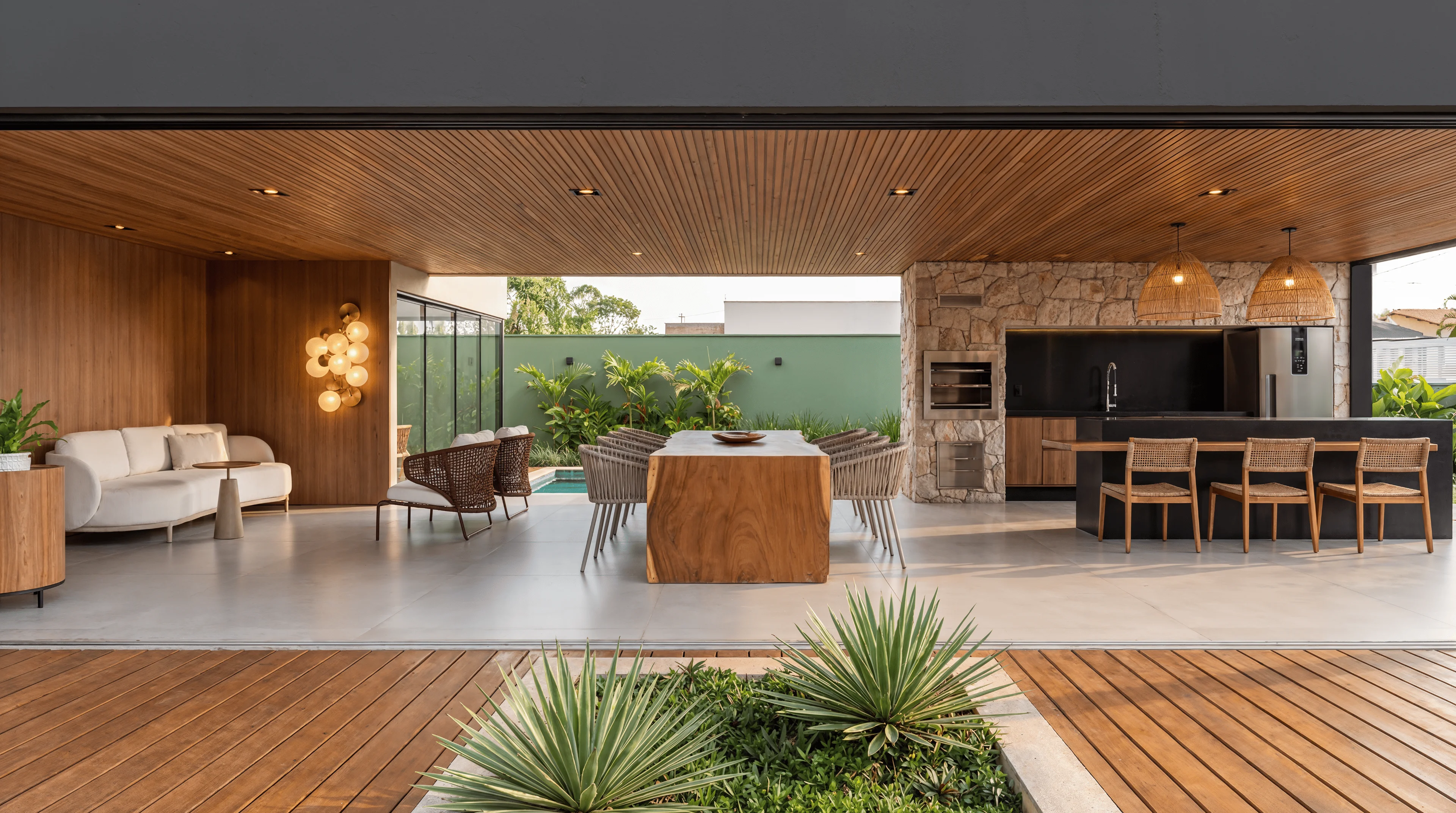
- Interior Design: Interior designers can create visual mock-ups of spaces, helping clients visualize changes and make informed decisions on layouts and color schemes.
- Advertising: Businesses can incorporate 3D renderings into advertisements to create eye-catching visuals that stand out in marketing campaigns.
- Online Retail: E-commerce platforms can utilize 3D product models, allowing customers to rotate and view products from different angles before purchasing.
Related Concepts in 3D Rendering
Understanding 3D rendering can also lead to a deeper comprehension of related concepts, such as:
- Virtual Reality (VR): 3D rendering is a foundational technology for creating immersive VR experiences.
- Augmented Reality (AR): Similar to VR, AR uses 3D rendering to overlay digital objects onto the real world, enhancing user interaction.
- 3D Animation: While rendering focuses on the final visual output, animation involves creating movement and transitions, which are often combined with rendering techniques.
Conclusion: The Future of 3D Rendering Services
3D rendering services are not just a luxury; they are becoming a necessity in various fields. As technology advances, the quality and realism of renderings will continue to improve, making them an invaluable tool for visualization and design. By understanding the components, applications, and benefits of 3D rendering services studios, businesses and individuals can leverage these technologies to enhance their projects and achieve better outcomes.
Ultimately, whether you're in architecture, product design, or any other industry, integrating 3D rendering services into your workflow can provide a competitive edge and foster innovation. Take the time to explore how these services can transform your ideas into reality!