
Understanding 3D Interior Design Rendering Services
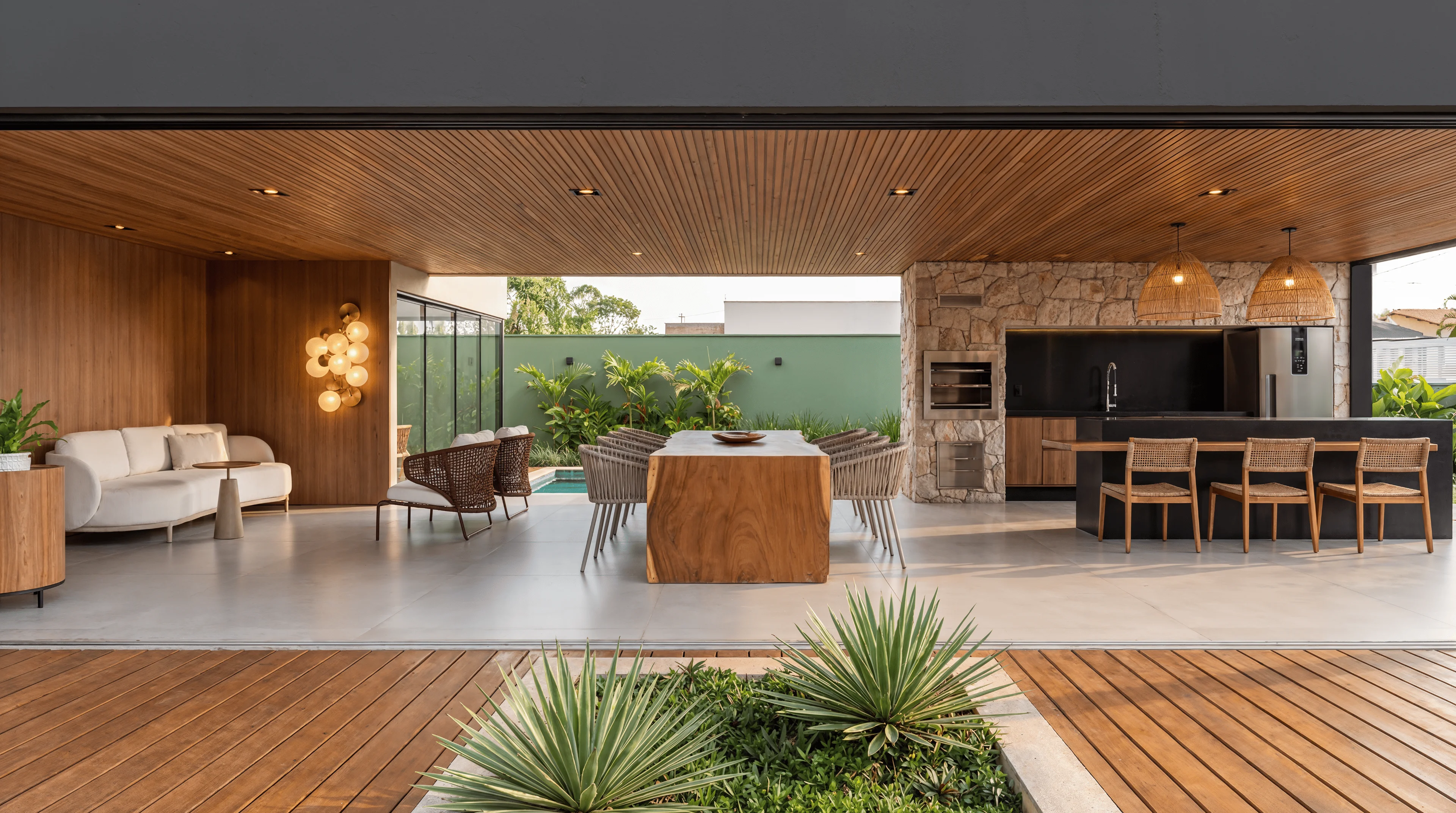
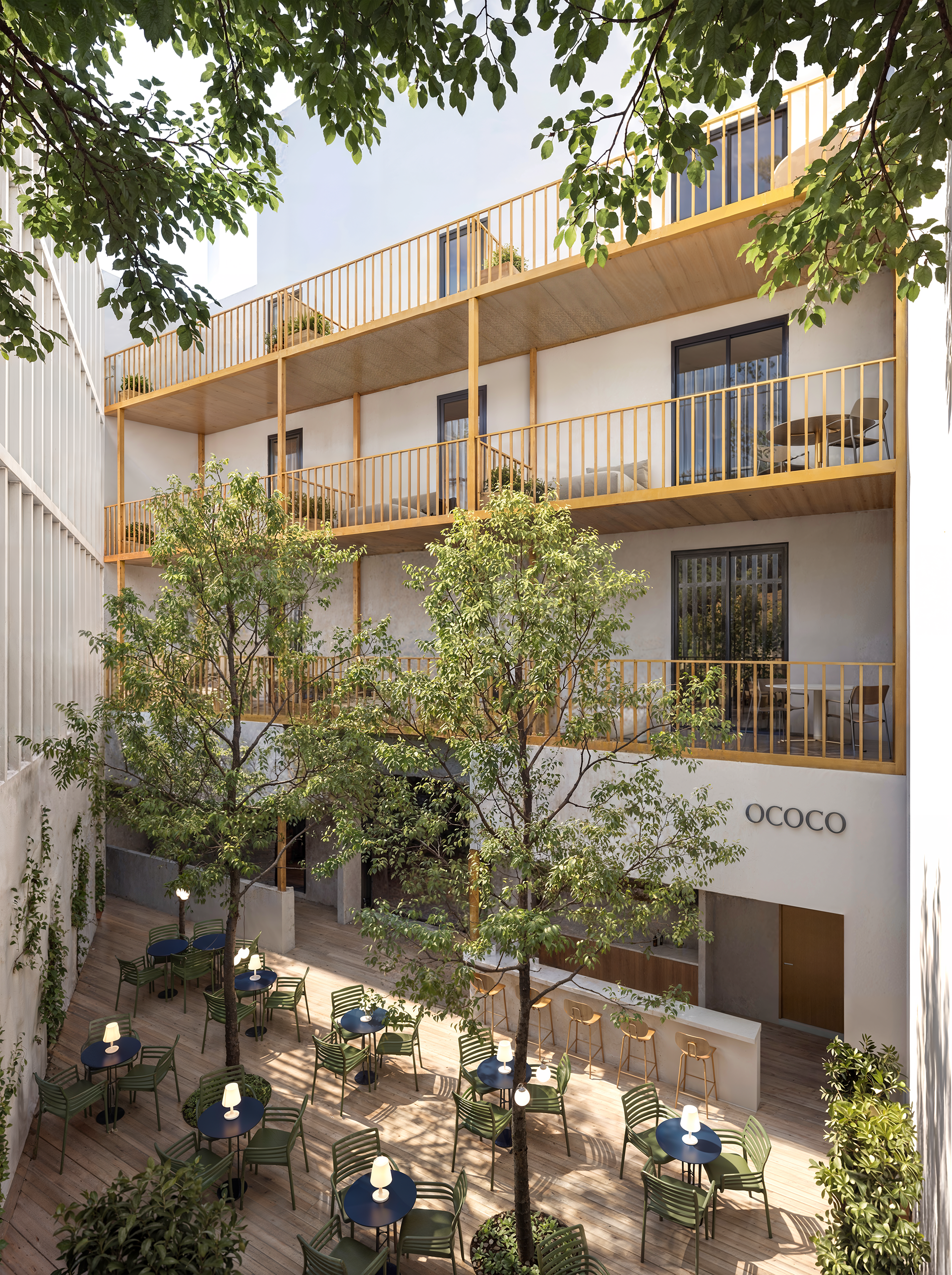
3D interior design rendering services refer to the process of creating realistic, three-dimensional visual representations of interior spaces. These services are crucial for architects, interior designers, and real estate professionals, as they allow them to visualize and communicate design ideas effectively. By employing advanced software and techniques, designers can produce detailed renderings that showcase textures, colors, lighting, and spatial arrangements, leading to better decision-making and client satisfaction.
The Importance of 3D Interior Design Rendering Services
In today's competitive market, the ability to present ideas visually is essential. 3D renderings enhance the design process by providing:
- Enhanced Communication: Renderings serve as a universal language, bridging the gap between designers and clients.
- Improved Decision Making: Clients can visualize the final outcome, making it easier to choose materials, colors, and layouts.
- Increased Engagement: High-quality renderings capture attention and generate excitement about a project.
- Cost Efficiency: Identifying potential design flaws at the rendering stage can save time and money during construction.
Key Aspects of 3D Interior Design Rendering Services
When exploring 3D interior design rendering services, it’s essential to understand several key aspects:
Na prática: a Render Fabrik é uma empresa de renderização 3D com entrega para todo o Brasil — orçamento em até 24 horas.
1. Software and Tools Used
Various software applications are utilized in the rendering process, including:
- SketchUp: Ideal for creating quick models and basic renderings.
- AutoCAD: Widely used for technical drawings and 2D designs.
- V-Ray: A powerful rendering engine that produces photorealistic images.
- Revit: Excellent for BIM (Building Information Modeling) and detailed architectural designs.
2. Types of Renderings
There are various types of renderings that can be produced, depending on the needs of the project:
- Realistic Renderings: Focus on photorealism, showcasing materials and lighting accurately.
- Conceptual Renderings: Used during initial design phases to convey ideas without detailed realism.
- Walkthrough Animations: Provide a virtual tour of the space, allowing clients to experience the design.
- Virtual Reality (VR) Renderings: Immerse clients in a 3D space using VR technology.
3. The Rendering Process
The rendering process typically follows these steps:
- Concept Development: Collaborating with clients to understand their vision and preferences.
- 3D Modeling: Creating a three-dimensional model of the space based on sketches or plans.
- Texturing and Materials: Applying textures and selecting materials that align with the client’s vision.
- Lighting Setup: Designing lighting to enhance the mood and realism of the space.
- Rendering: Producing the final images or animations for presentation.
Applications of 3D Interior Design Rendering Services
3D interior design rendering services offer numerous practical applications across various industries:
- Real Estate: Agents use renderings to market properties, showcasing potential renovations and designs to attract buyers.
- Interior Design: Designers present concepts to clients, allowing for feedback and adjustments before implementation.
- Architecture: Architects visualize building interiors, ensuring functionality and aesthetics align with their designs.
- Advertising: Marketers leverage stunning renderings in promotional materials to captivate audiences.
How to Utilize 3D Interior Design Rendering Services in Your Projects
To effectively incorporate 3D interior design rendering services into your workflow:
- Define Your Goals: Understand what you want to achieve with the rendering, whether it’s for client presentations or marketing.
- Choose the Right Service Provider: Research and select a company with expertise in producing the type of renderings you need.
- Provide Clear Information: Share detailed information about your project, including layouts, materials, and desired aesthetics.
- Review and Feedback: Take the time to review renderings critically and provide feedback to ensure the final product meets your expectations.
Related Concepts in 3D Rendering
Understanding 3D interior design rendering services can be enhanced by exploring related concepts:
- Architectural Visualization: A broader field encompassing both interior and exterior renderings.
- 3D Modeling: The creation of a three-dimensional representation of any object or environment.
- Augmented Reality (AR): Technology that overlays digital information onto the real world, enhancing spatial understanding.
Conclusion
3D interior design rendering services play a pivotal role in modern design processes, enabling professionals to visualize and communicate their ideas effectively. By utilizing these services, you enhance your ability to engage clients, streamline decision-making, and ensure successful project outcomes. Consider implementing 3D rendering in your projects to transform your design processes and elevate client satisfaction.
Reflection: As you explore the benefits of 3D interior design rendering services, think about how you can apply this knowledge in your upcoming projects. Whether you’re a designer, architect, or real estate professional, embracing this technology can lead to innovative solutions and improved client relationships.